The Actual Quality Checks Worth Doing at a Thrift Store Before Buying Anything
Thrifted pieces have already been through an unknown amount of real wear and an unknown washing and care history, which means they genuinely need a specific set of hands-on quality checks that shopping new retail pieces, with their more predictable and consistent condition, doesn’t require to nearly the same degree.
Why Thrifted Pieces Genuinely Need Different Checks Than New Retail Pieces
A new retail garment’s condition is genuinely predictable and consistent within a given quality tier, but a thrifted garment’s actual remaining lifespan and condition depends entirely on an unknown prior owner’s specific wear pattern and care history, meaning two visually similar thrifted pieces can have genuinely very different actual remaining wearable life even if they look comparable at a glance.

The Concrete Checks Actually Worth Doing
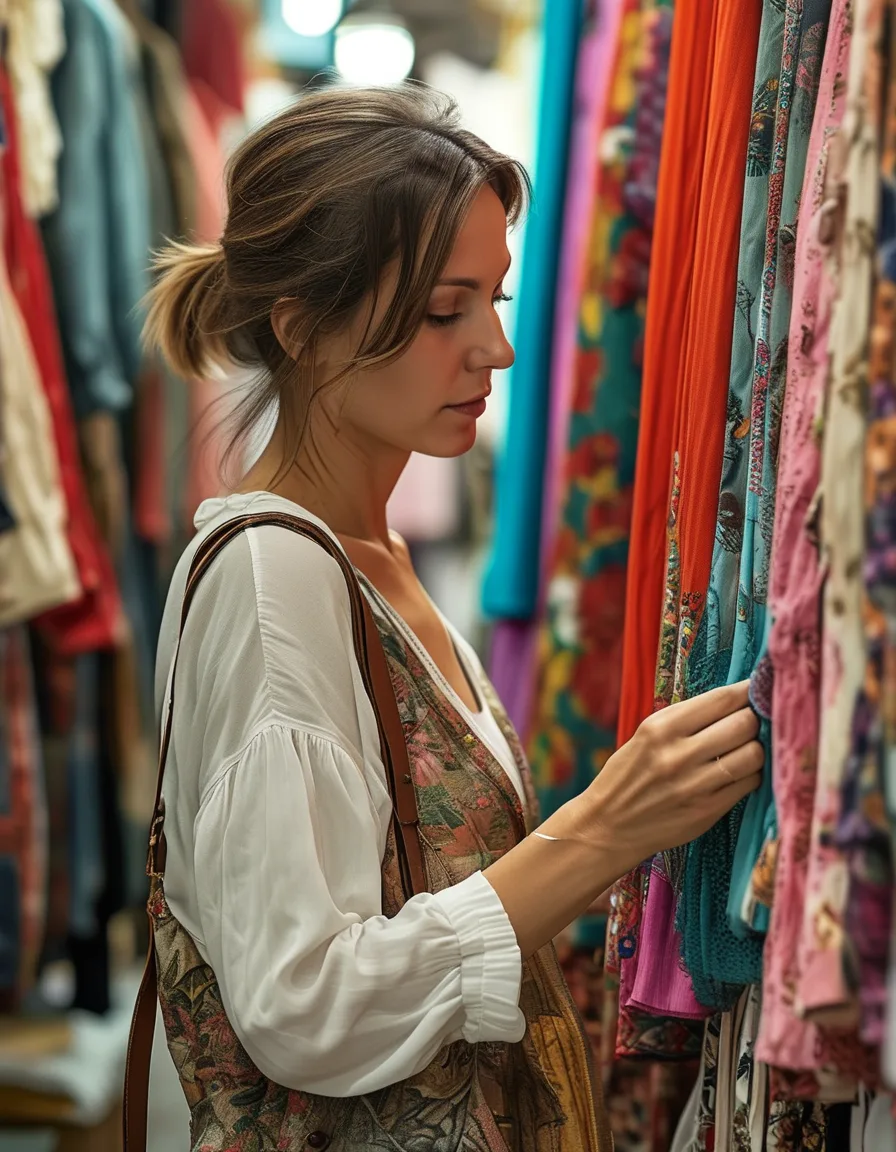
Check seams specifically for any existing fraying or loose stitching, check high-friction areas like underarms and inner thighs for thinning or pilling that indicates heavy prior wear, check zippers and buttons for actual functional wear rather than just visual condition, and hold the fabric up to light to check for thinning that’s often invisible until backlit — these specific checks reveal genuine remaining lifespan in a way that visual appearance alone doesn’t.
Running Through These Checks Quickly Without Slowing a Thrifting Trip Down Too Much
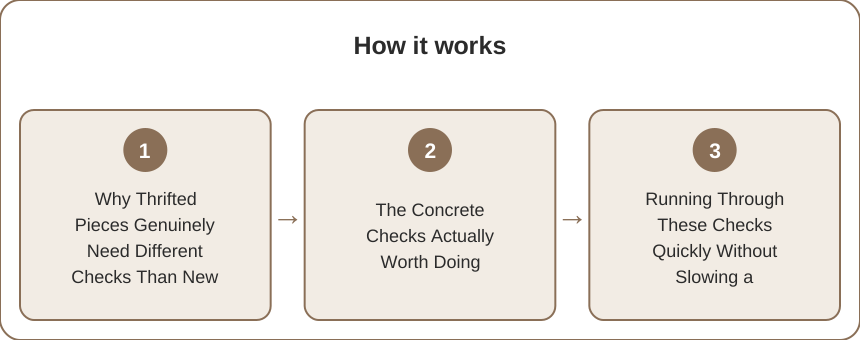
Do the seam, friction-area, and hardware checks in one quick continuous motion while a piece is already in hand — checking seams while turning a garment to look at the tag, checking friction areas while holding it up to the body for a size check — rather than treating each check as a separate deliberate step, which keeps a thorough quality check genuinely fast enough not to meaningfully slow down a normal thrifting pace.
A thrifted garment’s actual remaining lifespan depends on an unknown prior owner’s specific wear and care history, meaning two visually similar pieces can have genuinely very different real condition, so checking seams for fraying, checking high-friction areas like underarms for thinning, checking zippers and buttons for functional wear, and holding fabric up to light for thinning are specific checks that reveal genuine remaining lifespan — and folding these checks into the normal motions of examining a piece, rather than treating each as a separate step, keeps them fast enough not to slow down a typical thrifting trip.
Keep Reading
This article is for general styling and informational purposes only. Trends, sizing, availability and pricing may vary by brand and season.